Back
Back


You’ve probably seen a lot of discussion around Artificial Intelligence (AI) within workplaces. For many, there’s the concern that their jobs are at risk of being made redundant due to the faster, cheaper capabilities of AI systems. Understandably, this has created uncertainty around AI and what it may mean for the future of the UK workforce.
UK Government research conducted in 2025 found that 1 in 6 businesses (16%) were using AI in one form or another. With this percentage likely to increase as AI technology continues to develop, what does this mean for those working in the electrotechnology industry?
Will electricians be replaced by AI?
Simply put, AI is unlikely to replace electricians. Although company adoption of AI is increasing, the vast majority of this usage centres around natural language processes and text generation. That means AI is far better suited to supporting digital and administrative tasks than replacing the practical, hands-on skills required of a qualified electrician.
AI capabilities and limitations
One of the main benefits of AI in the electrical industry is its ability to automate and support routine tasks. Grid management, load forecasting, fault detection, and asset monitoring are all tasks which can be supported by AI, reducing the time spent on manual monitoring and helping electricians make faster decisions.
For safety-critical or higher-risk tasks, human supervision remains essential. If AI encounters an unfamiliar problem, reaches the limit of its training, or cannot complete a task safely, a qualified person needs to step in.
AI can support electricians by quickly accessing regulations, standards and technical guidance. However, it cannot match the practical judgement, experience, and situational awareness of a trained electrician. Because of this, a human supervisor should always be involved to review automated tasks before work proceeds.
In addition, human supervision of AI within the electrical industry isn’t just assumed, it’s actively being reviewed by the UK Government. An independent review of AI deployment in the electricity networks examines human-machine interactions and the risk management involved at different levels of automation. This reinforces the importance of human oversight as AI becomes more common across the sector.
In practice, AI is likely to become another tool electricians use, rather than a replacement for the skills and judgement the job requires.
What do I need to be aware of as an electrician?
As AI adoption grows across the electrical industry, there are two key things to be aware of.
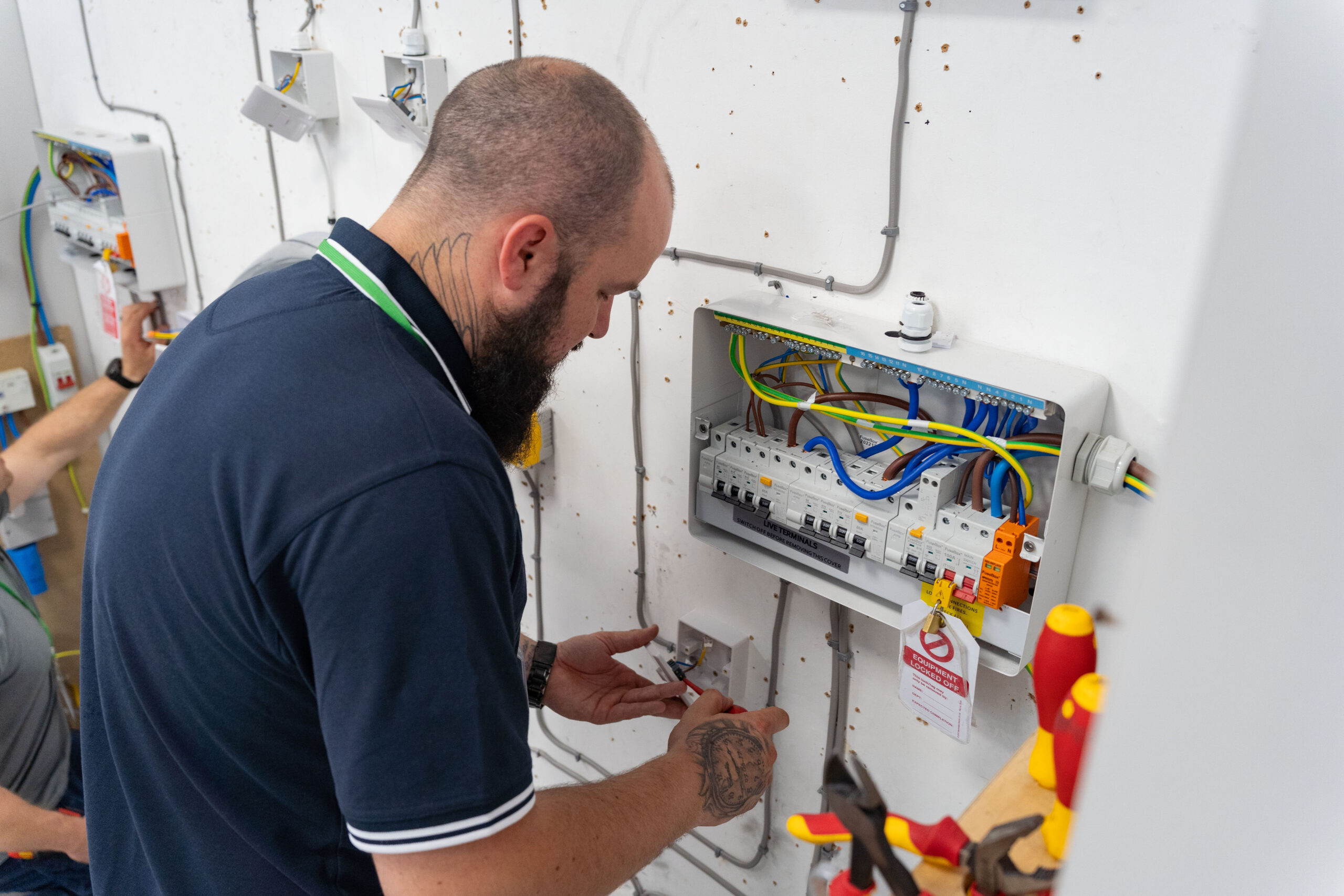
First, AI may support routine tasks such as monitoring, fault detection and planning, but it will still depend on qualified professionals for safe installation, judgement and oversight. This means that maintaining a strong understanding of electrical regulations and standards is essential to being prepared for future AI adoption.
Second, AI is also likely to increase demand for reliable energy infrastructure, while putting greater focus on more sustainable power solutions. According to the IEA, electricity consumption from data centres has grown 12% per year over the last 5 years. As data centres continue to expand to support AI systems, they’ll need dependable power supplies and more
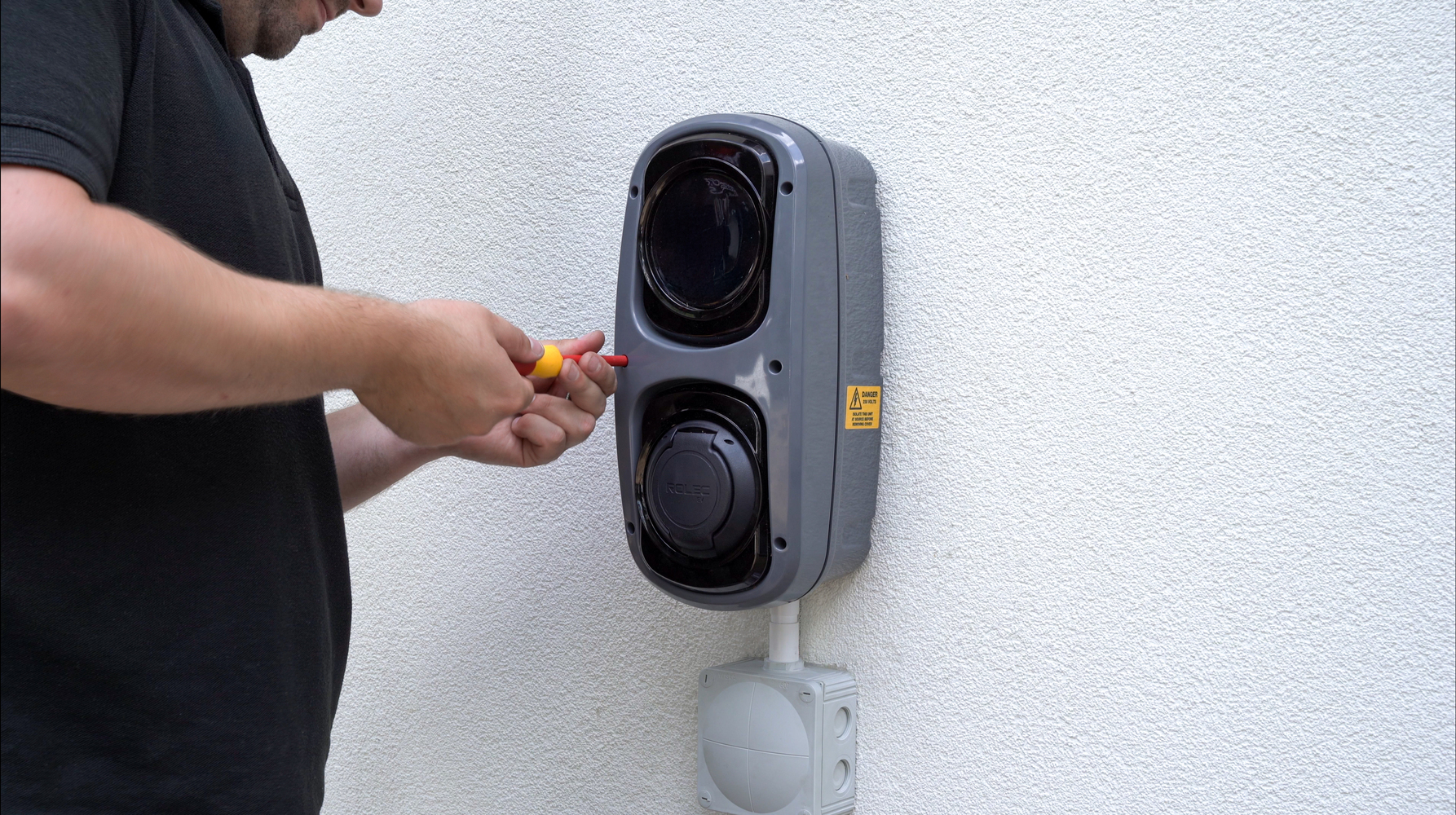
sustainable energy solutions. This could create further opportunities for electricians with skills in renewable technologies, including EV charging, solar PV and battery storage systems.
Keeping your core electrical knowledge current while building skills in emerging technologies can put you in a stronger position as AI adoption continues across the industry.
Upskilling with Trade Skills 4 U
C&G Electrical Energy Storage Systems (EESS) Battery Course
Level 3 Award in the Design, Installation and Commissioning of Electrical Energy Storage Systems
Our 2923-34 Electrical Energy Storage Systems (EESS) Battery Course provides qualified electricians with the skills to safely install and commission battery storage systems in line with the IET Code of Practice and BS 7671.
This 3-day course is made up of 6 modules, so our learners complete the course will a full understanding and confidence in the principles, specifications, installation, inspection and commissioning of EESS.
Level 3 Award in the Installation and Maintenance of Small Scale Solar Photovoltaic Systems
Our 2922-34 Solar PV Course equips qualified electricians with the skills to safely install, commission, and maintain solar PV systems. The course covers key standards including the IET Code of Practice and BS 7671 and supports compliance with the Microgeneration Certification Scheme (MCS).
This 4-day course covers the design, installation and maintenance of solar PV systems, with a focus on the electrical design requirements.
Combined Solar PV & EESS Qualification (5 Days)
Intensive 5-day programme combining the City & Guilds 2922-34 and 2923-34 Combined Solar PV & EESS Course
Our intensive course combines both qualifications into a single course, enabling experienced installers to gain the knowledge, understanding and assessment preparation required.
Designed for practising electricians already working within the renewable energy sector, the course builds upon existing knowledge whilst preparing delegates for both City & Guilds assessments.